The Concert Is Obviously Not Over. So Why Do We Still Beg for an Encore?

The band waves, leaves the stage and disappears into darkness. The house lights stay off. The biggest song has not been played. Thousands of people begin clapping as if the musicians might otherwise get into a car and leave. Everyone knows what happens next, yet the return still produces one of the loudest moments of the night. The encore is live music’s most obvious trick, and audiences happily help perform it.
The word comes from the French for “again.” Historically, an encore could be a genuine demand to repeat a piece or offer something extra after exceptional applause. It was not always saved for one predictable break at the end. Performers, audiences and venues gradually turned the request into a recognizable convention. What began as spontaneous approval became part of the architecture of a show.
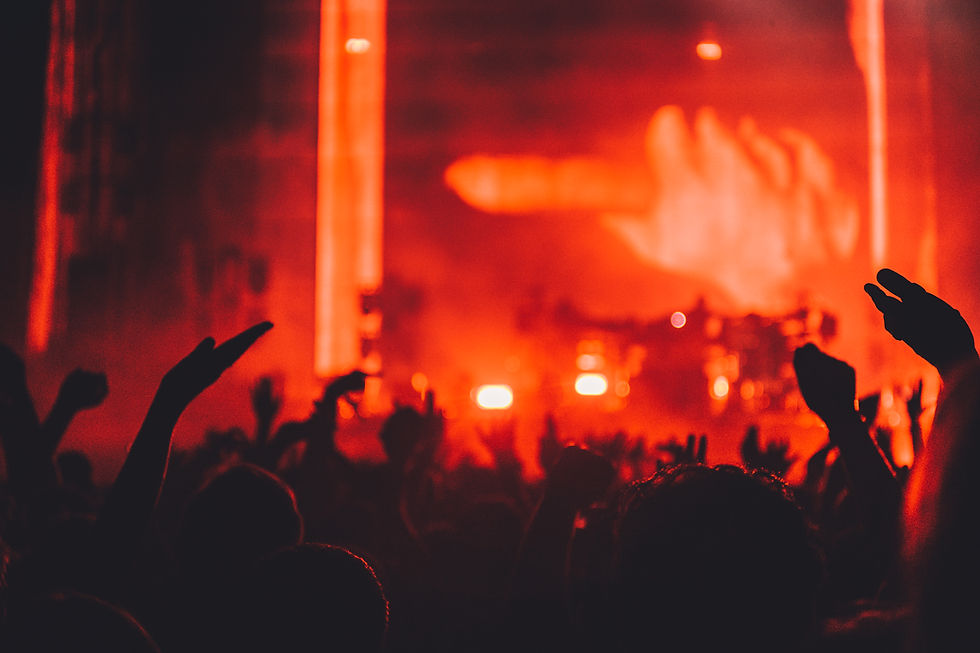
The encore turns a planned ending into a moment that feels requested by the room. Image: Arkady Lifshits / CC0
Researcher Emma Webster studied encore rituals at live music events and described the complicity among audience, performer, promoter and venue. That word matters. The crowd is not simply being fooled by a staged exit. It knows the pattern and chooses to play its role. The pause gives people a task: make enough noise to call the artist back, even when the return is already written on the set list.
The ritual solves a storytelling problem. Concerts need an ending, but stopping immediately after the emotional peak can feel abrupt. The exit creates a small fall in energy, followed by another rise. Familiar hits held for the encore gain extra force because anticipation has been stretched. A quiet song can work too, giving the artist a more intimate farewell after the main production has reached its largest scale.
There is practical value behind the drama. The break gives performers a brief moment to drink water, change instruments, adjust clothing or reset the stage. Crews can prepare a special effect or bring out a guest. None of that makes the emotion fake. Theater has always used timing, entrances and darkness to shape feeling. Live music simply lets the audience see part of the mechanism.
Not every encore is identical. A club show may depend more directly on the room’s response. A stadium production with synchronized video, lighting and transportation schedules leaves much less to chance. Classical traditions vary by program and venue, while festival curfews can eliminate the possibility entirely. An artist who skips the ritual is not necessarily ungrateful. The schedule, format or artistic choice may demand a clean ending.
Fans can usually read the clues. House lights mean one thing; darkness and a humming stage mean another. A missing signature song is the loudest clue of all. Set-list websites make the mystery even thinner, yet people still shout. Knowing the likely outcome does not cancel suspense. Sports fans cheer during a free throw they expect to land, and concert crowds cheer during a return they expect to happen.
The audience also understands when the bargain fails. If a performer saves every beloved song for after the fake goodbye, the first ending can feel dishonest. If the return takes too long, excitement becomes irritation. The best encores feel like an earned second ending rather than unfinished business being withheld. They reward the crowd without pretending the previous hour did not already have a shape.
Phones have changed the image of the moment without removing its power. Screens and flashlights now float where lighters once appeared, and the return is filmed from thousands of angles. The encore still creates a temporary community because people perform the same action at once. Major tours turn fandom into a shared world, and the final call-and-response is one of the simplest ways to make that world visible.
So why do we keep begging when the answer is obvious? Because the encore is not really a vote on whether the show continues. It is a ceremony that lets the audience claim a piece of the ending. The artist planned the song, the crew planned the lights and the venue knows the curfew. The roar belongs to the crowd. For a few minutes, a scheduled return feels like something everyone in the room made happen together.


Comments