Ella Langley’s Concert Speech Exposed the Emotional Cost of Going Viral

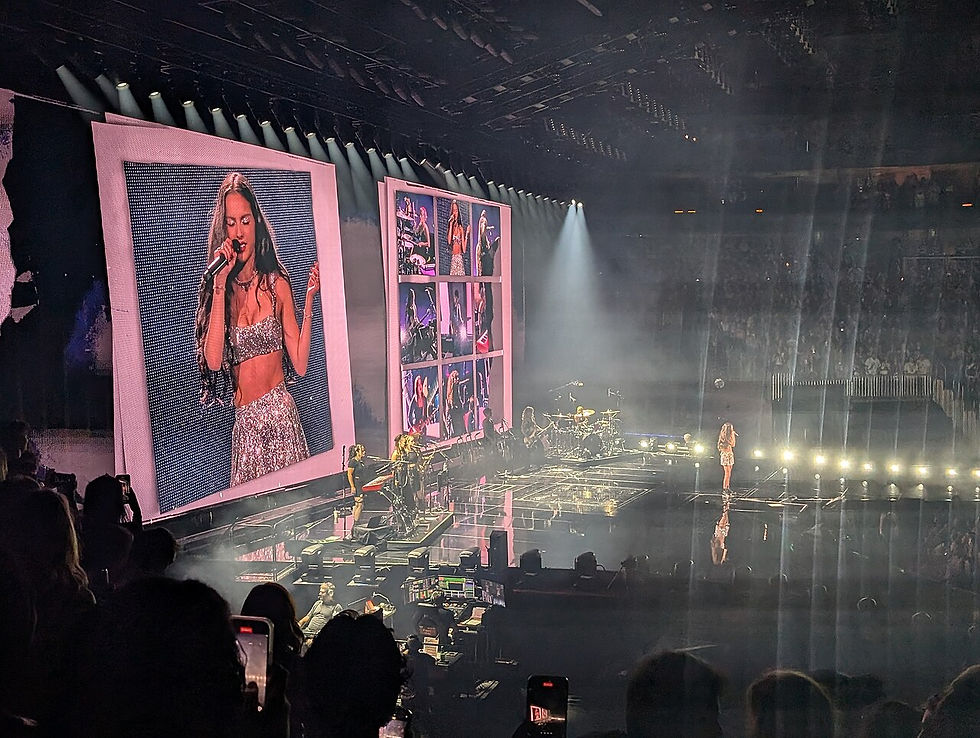
Ella Langley paused a recent concert in Columbus, Ohio, to speak about the emotional weight of online criticism, turning a country show into an unusually direct conversation about fame. According to reports from the Los Angeles Times and country outlet Holler, the singer told the audience that hostile commentary had made her question whether she was strong enough for the life arriving alongside her music’s rapid success.
The moment landed because Langley’s career is moving in the opposite direction from the vulnerability she described. She has become one of country music’s most visible new stars, with major chart success and nine nominations for the 2026 CMA Awards. Public momentum usually gets narrated as an uncomplicated victory. Her comments interrupted that storyline by acknowledging that greater reach also creates a larger, harsher audience.

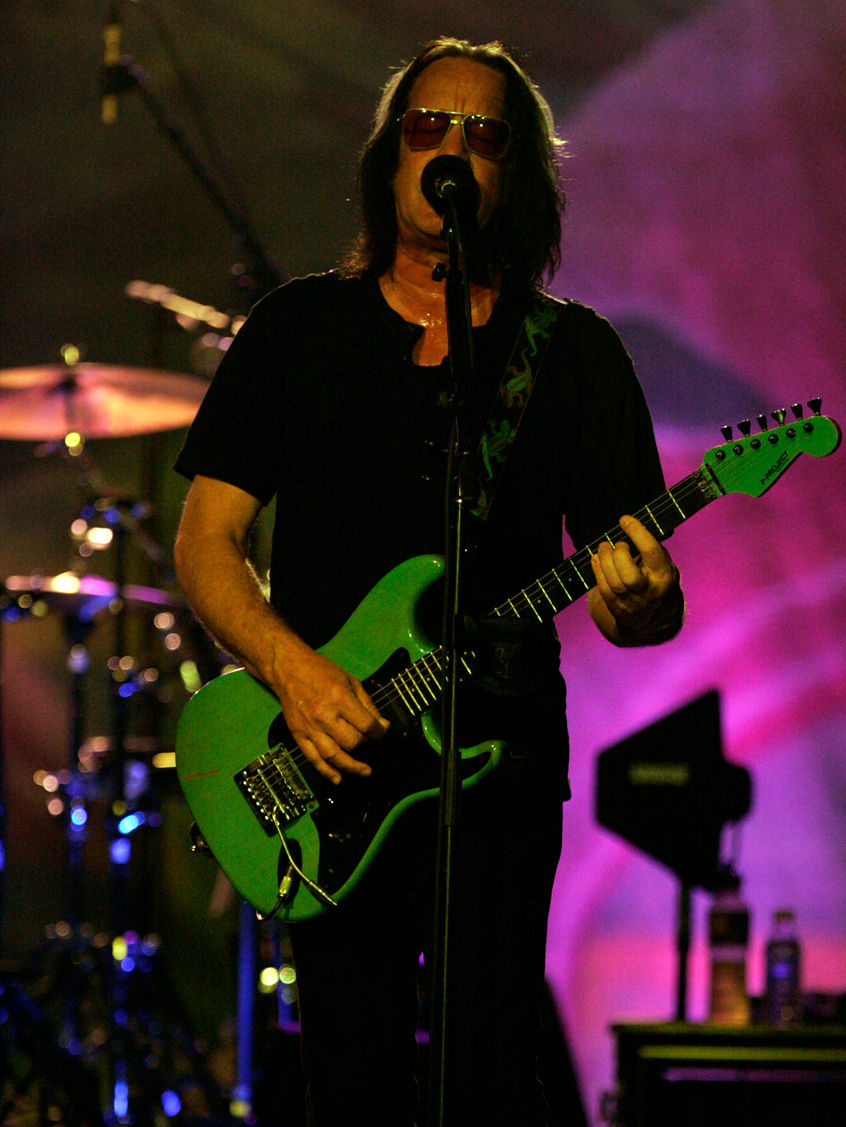
Ella Langley performing in 2025, before a rapid rise brought larger audiences and heavier scrutiny. Image: BrDen / CC BY 4.0
Langley did not present herself as rejecting her career. Reports of the speech emphasize her desire to make music and her effort to hold on to that purpose when outside noise becomes overwhelming. That distinction matters. An artist can be grateful for an audience and still be harmed by cruelty, invasive speculation or constant judgment. Fame does not convert a person into a public utility without emotional limits.
The speech also shows how live performance can become a place for boundary-setting. A social post can be clipped, screenshotted and interpreted without tone. Onstage, an artist can speak in a room where fans hear the pauses and see the physical effort behind the words. That does not prevent another viral cycle, but it can restore context before the moment is redistributed.
Online criticism is not one category. Reviews of music, reporting on professional conduct and good-faith disagreement are part of public culture. Coordinated harassment, appearance attacks and dehumanizing comments are different. Celebrity coverage loses credibility when it treats every personal cruelty as “fan reaction” simply because it is easy to embed. Platforms and publishers make choices about which behavior they amplify.
A fast-rising artist is often asked to turn private emotion into public performance, then criticized for showing too much or too little. The pressure intensifies when personal life becomes content. Viewers may believe a few clips reveal a complete personality, while algorithms reward the most confident accusation. The resulting cycle can make ordinary boundaries look suspicious and normal uncertainty look like weakness.
Fans have responsibilities as well. Supporting an artist does not require attacking anyone who dislikes a song, policing a relationship or demanding continuous access. Parasocial closeness can create community, but it becomes unhealthy when affection is used to justify control. The most useful response to Langley’s comments is not to identify enemies for her. It is to refuse the behavior she described.
The music industry has a material interest in that change. Labels, managers, promoters and platforms benefit from constant engagement, yet the artist absorbs much of its psychological cost. Teams can moderate accounts, provide mental-health support and establish communication boundaries, but those measures work only if career planning treats recovery time as necessary rather than as a threat to momentum.
Langley’s remarks should not be converted into a diagnosis or exaggerated crisis. She described pressure in her own words; responsible coverage can report that without inventing details about her health. The distinction protects the artist and the audience. Emotional honesty is not permission for strangers to turn a vulnerable statement into another round of unsupported speculation.
The Columbus speech resonates because it exposed a contradiction at the center of modern celebrity. Artists need visibility, but the systems that deliver it often erase proportion and empathy. Langley’s rise remains a professional achievement, and her comments do not diminish it. They clarify its cost. The audience response in the room also showed that support can be expressed without demanding another confession or explanation. The lasting question is whether fans, media and the industry can celebrate a hit without treating the human being behind it as an unlimited source of content.

Comments